

The Little Yogis Method™
A child-centered approach to yoga and mindfulness designed for real kids, real classrooms, and real life — and the training ground for the educators who bring it to life.
All Little Yogis Academy® classes are taught using The Little Yogis Method™, a child-centered approach to yoga and mindfulness that blends regulation, playful movement, and whole-child development in a consistent, nurturing way.
1. Regulation Before Instruction
Before asking kids to listen, follow directions, or hold poses, we help their bodies and nervous systems settle.
2. Playful, Purposeful Movement
We use imagination, storytelling, games, props, and themes to teach yoga poses and mindful movement in a way that feels like play.
3. Whole-Child Development
Yoga becomes a tool for the whole child — not just flexibility, but focus, confidence, and emotional awareness too.
4. Consistent Structure, Gentle Repetition
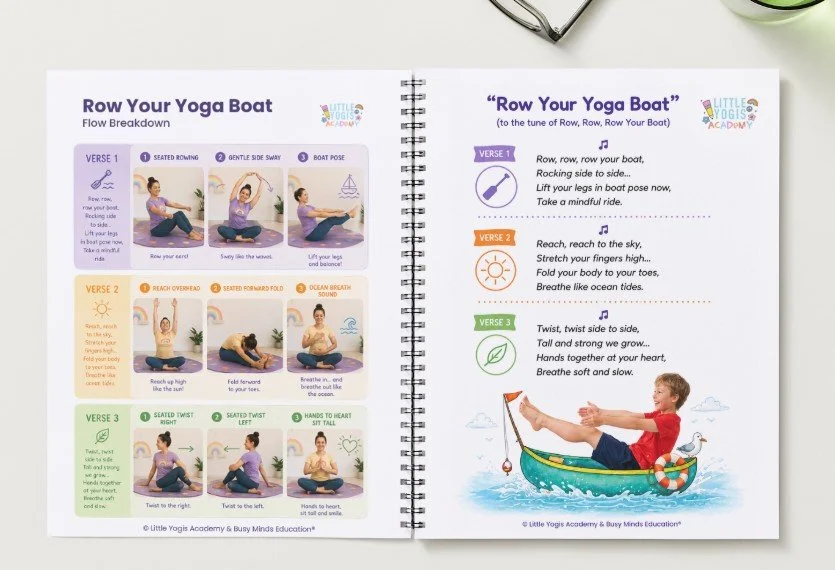
Classes follow a familiar flow so children know what to expect. Repetition is embraced — not rushed — allowing skills, confidence, and independence to grow over time.
5. Connection First
We prioritize connection — between teacher and child, child and caregiver, and child and self. Language is inclusive, encouraging, and empowering.

The research behind the play
What's actually happening inside a growing brain
A newborn's brain already holds almost all the brain cells it will ever have — roughly 100 billion of them. What's missing is the wiring between them, and the early years are when that wiring happens faster than at any other point in a person's life.
1,000,000+
new neural connections can form every second in a child's earliest years
2×
the synaptic density of an adult brain, reached by around age three
90%
of adult brain size is reached by about age five
Source: Center on the Developing Child, Harvard University
None of this wiring happens in isolation. It's built through what researchers call “serve and return” — the back-and-forth of a baby babbling, an adult responding; a child reaching, an adult meeting them there. Every time you sit on a mat with a child, mirror their movement, or respond to their breath with your own, you're taking part in exactly this kind of exchange. You are, quite literally, helping build the architecture of a young brain.
Not all stress harms a developing brain. Researchers describe three kinds: positive stress, brief and buffered by a caring adult; tolerable stress, more serious but still manageable with support; and toxic stress — prolonged, severe, and unbuffered — which can affect a developing brain's architecture in ways that surface later as difficulty with attention, learning, and self-regulation. What protects a child from that third kind, and teaches them to move from a big feeling back to calm, is exactly the kind of co-regulation and body-based practice yoga provides. This is the window The Little Yogis Method is built for.
How Yoga & Mindfulness Supports Early Childhood Development
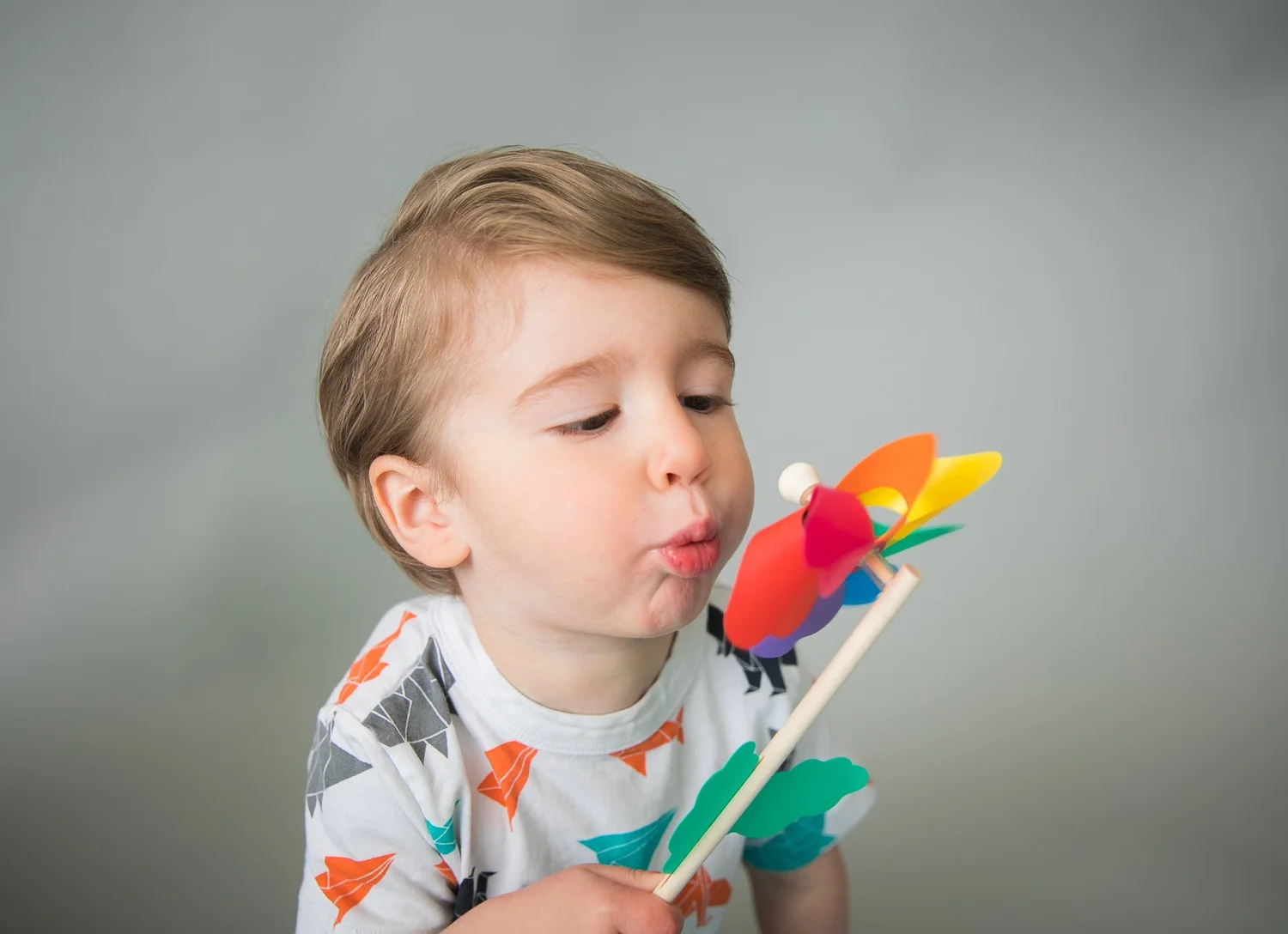
Early childhood is a critical time for brain and body development, as children build the foundations for movement, focus, and emotional regulation. Yoga supports this growth by combining playful movement, breath, and mindfulness to strengthen coordination, balance, and body awareness while also supporting calm, confidence, and self-regulation. These experiences help connect the brain and body, giving children tools they can carry into learning, relationships, and everyday life.
Inside every class
The pose is the vehicle. The story is the destination.
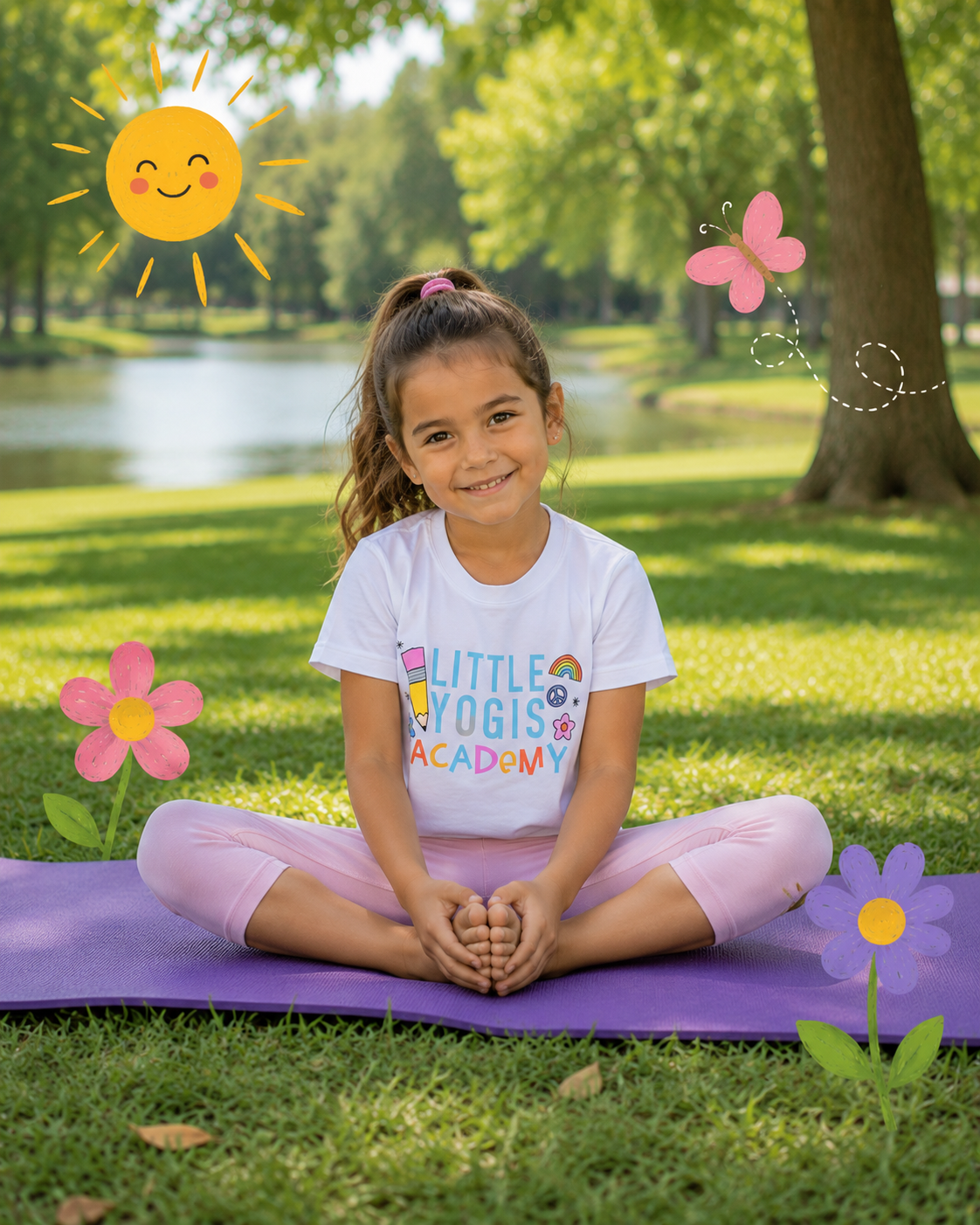
A child won't remember holding a pose for ten seconds. They'll remember being a strong, roaring lion protecting their den. Same pose, completely different experience — and that difference is what turns a stretch into something a child will happily try again.
01 · MOVEMENT
Real gross motor development, strength, and body awareness, hidden inside poses that feel like play.
02 · MINDFULNESS
Noticing a breath, a sound, a feeling in the body, dressed up as a game.
03 · EMOTIONAL REGULATION
Naming a feeling and practicing calming down, folded into a story where the character has to calm down too.
04 · CREATIVITY & IMAGINATION
The story world itself — which is what makes a child want to come back next week.
05 · CONFIDENCE & CONNECTION
The small, real wins, and the sense of belonging that comes from moving together as a group.
“You never say ‘now we're going to work on emotional regulation.’ You say, ‘the baby dragon is feeling frustrated — what should we do?’ And twenty children take a deep breath together without realizing they just practiced the exact skill that will help them handle a meltdown at pickup time.”
What we teach every educator
Small shifts that change the whole room
Never call it exercise. The moment a class feels like fitness, you've lost the youngest kids in the room.
Music is not optional. A song with movement regulates a nervous system better than almost anything else in your toolkit.
Name poses after the story, not the pose. “Show me your strongest superhero stance” means everything to a toddler; “Warrior II” means nothing.
Let them be a little wild before you ask them to be still. Big energy needs somewhere to go before calm is possible.
Read the room over the lesson plan. The plan is a guide, not a script you're locked into.
Repeat, repeat, repeat. Children aren't bored by the familiar — they're comforted by it, and repetition is how the learning actually sets in.
For the educators who carry it forward
Why this method is built to change the world — one classroom at a time
Every child who learns to pause before reacting, breathe before melting down, and trust their own body carries that skill into adulthood. Multiply that by every classroom, daycare, and living room where an educator uses The Little Yogis Method, and you have a generation growing up with tools most adults are still learning today.
That is the scale we are building toward — not just calmer classrooms, but a genuine shift in how children learn to understand their own minds and bodies. Every certified Little Yogis Academy® educator becomes part of that ripple, carrying regulation, connection, and joyful movement into schools, childcares, camps, and homes.
What this means for the children you teach
Regulation comes first
Child development research consistently shows that kids can't fully listen, engage, or learn until their nervous systems feel safe and settled — which is why every Little Yogis class starts with the body, not the lesson.
Movement builds the brain
Movement, breath, and body awareness in early childhood are closely tied to attention, coordination, and self-control — skills yoga is uniquely well-suited to practice.
Consistency creates change
Lasting emotional regulation isn't built in a single lesson. It grows through the kind of gentle, familiar repetition The Little Yogis Method is designed around.
A note from our founder
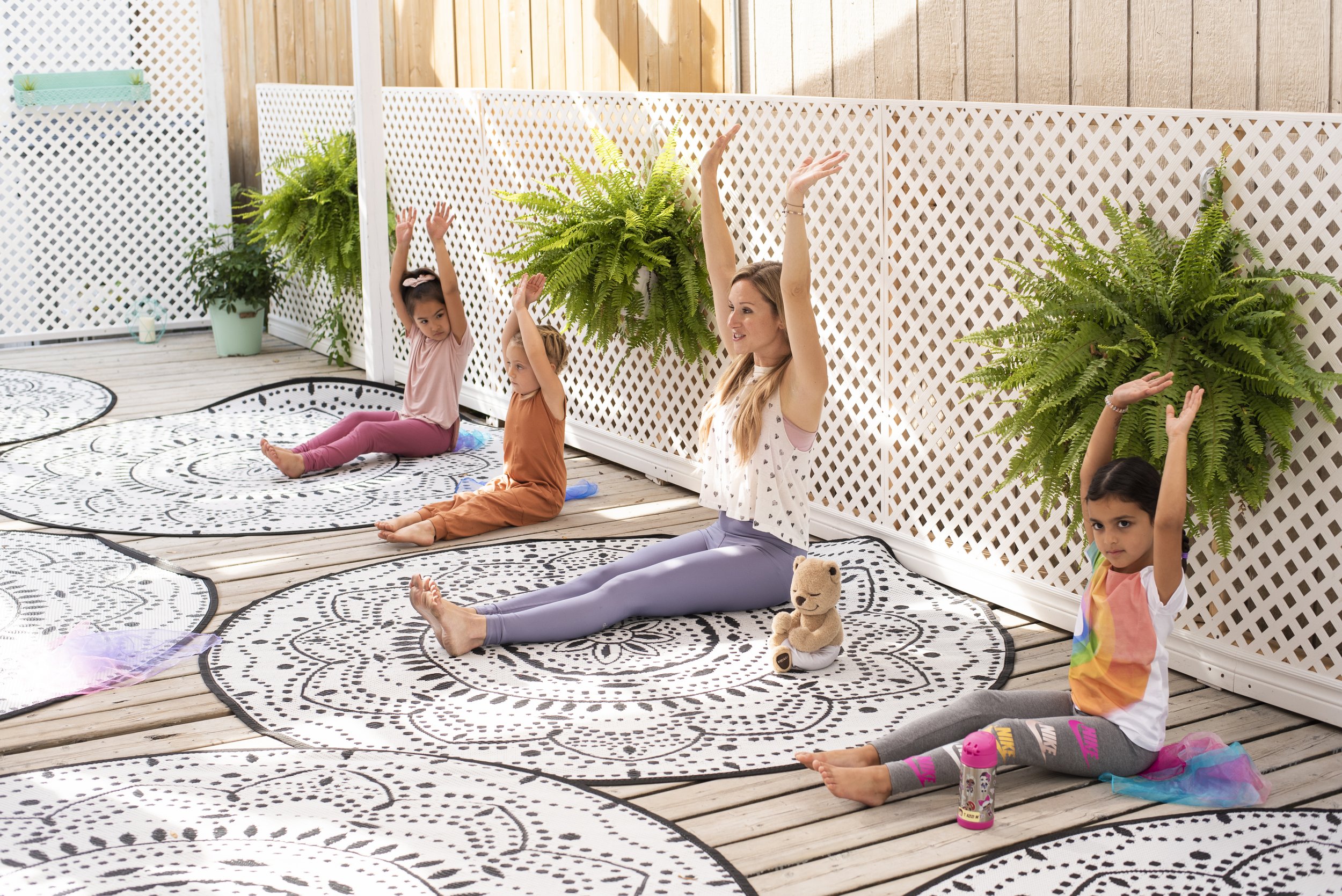
I created The Little Yogis Method because I kept watching well-meaning adults try to teach yoga to kids the way we teach yoga to adults — and watching it fall flat. Kids don't need more instructions. They need to feel safe, seen, and free to move like themselves.
This method is everything I wish someone had handed me when I started teaching children: research-informed, classroom-tested, and built to work with real kids, not the idealized version of them.
When you train with us, you're not just learning poses. You're learning how to read a room, meet a child where they are, and lead with the kind of presence that changes how a child sees themselves.
— Michelle Faber, Founder, Little Yogis Academy®
What educators are saying

Certified Little Yogis Educator
“This training didn't just teach me poses. It gave me a completely different way of showing up for the kids in my classroom.”

Elementary Classroom Teacher
“My students settle faster, connect deeper, and genuinely look forward to yoga time now.”

Licensed Childcare Provider
“I finally have a framework that makes sense for real kids — not just the ones who sit still.”
Inside the training
Everything you need to teach with confidence
Ready to bring this method into your own classroom?
Become a certified Little Yogis Academy® educator and carry regulation, connection, and joyful movement to the children who need it most.
Become an Educator